
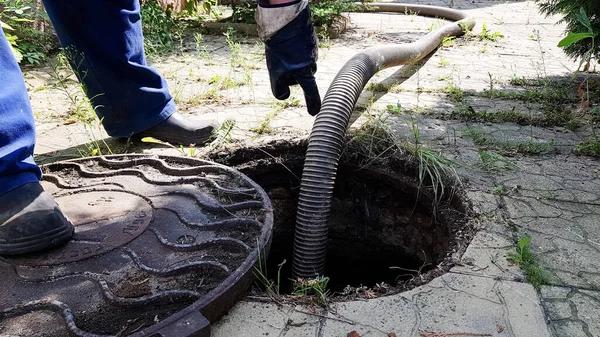

Maintaining a septic system in an eco-friendly manner is essential for protecting the environment and ensuring the longevity of the system itself. Septic systems treat household wastewater on-site, so proper care prevents contamination of groundwater and nearby ecosystems. One of the most effective strategies for eco-friendly septic maintenance involves regular inspections performed by professionals trained to identify potential issues early. These inspections typically include checking for leaks, assessing sludge levels in the tank, and examining drain field conditions. Early detection helps avoid costly repairs and reduces environmental risks caused by untreated sewage.
Routine pumping of the septic tank is another crucial aspect that supports both system health and ecological safety. Over time, solids accumulate at the bottom of the tank, reducing its capacity to process wastewater effectively. When these solids overflow into drain fields, they can clog soil pores and disrupt natural filtration processes, leading to pollution runoff or groundwater contamination. Pumping intervals depend on household size and water usage but generally occur every three to five years. Scheduling this service based on professional recommendations rather than fixed timelines ensures resources are used efficiently without unnecessary waste.
Septic Tank Inspection
Water conservation plays a significant role in sustainable septic system management as well. Excessive water use see full details increases strain on tanks and drain fields, accelerating wear and increasing failure risks. Simple practices like fixing leaks promptly, installing low-flow fixtures, spreading out laundry loads throughout the week instead of daily washing multiple loads help maintain balanced flow rates through the system while conserving water resources.
Avoiding harmful chemicals also contributes greatly to eco-friendly maintenance efforts. Harsh cleaning agents or antibacterial products can kill beneficial bacteria within septic tanks responsible for breaking down organic waste naturally. Using biodegradable soaps and environmentally safe cleaners preserves microbial health inside tanks which enhances treatment effectiveness without introducing toxins into soils or waterways.
Landscaping choices around a septic area affect its performance too; planting deep-rooted trees near drain fields should be avoided because roots may penetrate pipes causing blockages or damage requiring repair work that disturbs local habitats unnecessarily.
Finally, educating homeowners about what should not enter drains-such as grease, non-biodegradable items like wipes or plastics-is vital for preventing clogs that compromise environmental safety alongside functionality.
By combining regular professional inspections with mindful water use habits, chemical avoidance, appropriate landscaping decisions, and informed disposal practices users can maintain their septic systems responsibly while safeguarding surrounding ecosystems from pollution hazards associated with improper sewage treatment methods.
Gray Septic Solutions
Savannah, GA 31405
912-661-4089


