

Choosing the right material for a residential roofing project is a crucial decision that affects durability, aesthetics, and overall cost. Homeowners must consider several factors including climate, budget, maintenance requirements, and architectural style when selecting roofing materials. Asphalt shingles remain one of the most popular choices due to their affordability and ease of installation. They offer decent protection against various weather conditions and come in a wide range of colors and styles to complement different home designs. However, asphalt shingles typically have a shorter lifespan compared to other materials, usually lasting around 20 to 30 years before needing replacement.
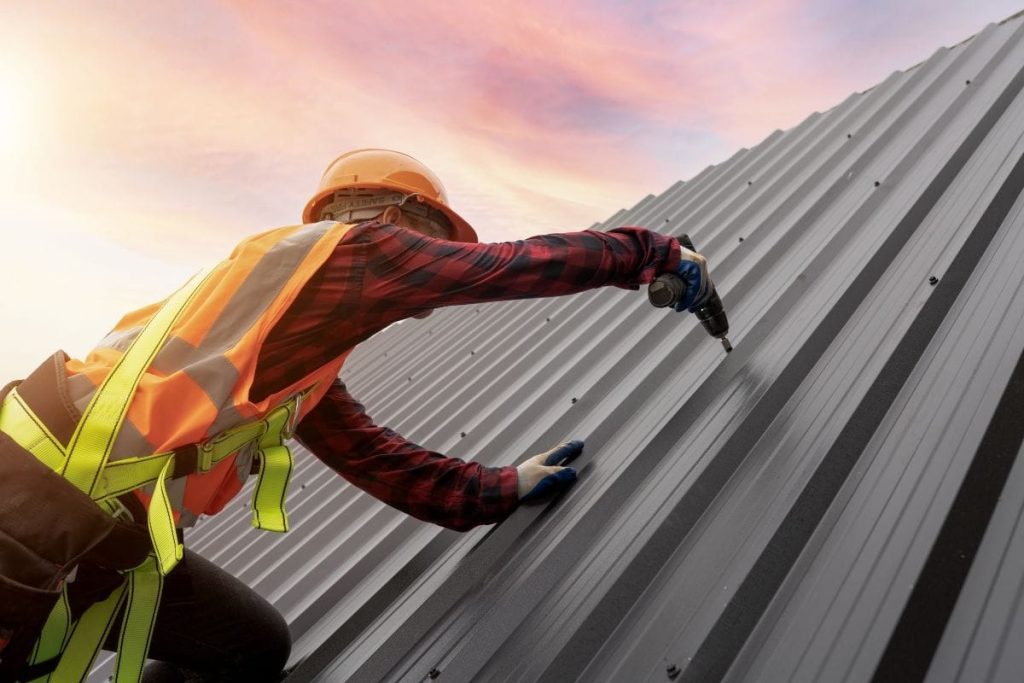
Metal roofing has gained popularity for its longevity and energy efficiency. Materials such as steel or aluminum provide excellent resistance to extreme weather events like heavy rain, snow, and high winds. Metal roofs can last upwards of 50 years with minimal maintenance while reflecting solar heat to reduce cooling costs during hot seasons. Despite these benefits, metal roofs tend to have higher upfront costs than asphalt shingles and may require professional installation due to their complexity.
Clay or concrete tiles are favored in regions with Mediterranean or Spanish-style architecture because of their distinctive appearance and exceptional durability. These tiles are fire-resistant and can endure find out everything harsh sun exposure without fading or deteriorating quickly. Their weight requires reinforced roof framing which adds extra expense but ensures stability over time. While clay tiles can last well beyond 50 years if properly maintained, they are more fragile than metal or asphalt when subjected to impact from falling branches or severe hailstorms.
Wood shakes offer natural beauty that enhances rustic or traditional homes with rich texture and warmth not easily replicated by synthetic alternatives. Cedar is commonly used because it resists decay better than other woods when treated correctly. Wood roofs demand regular upkeep such as cleaning debris off surfaces and applying preservatives periodically to prevent mold growth or insect damage. The lifespan generally ranges between 25-40 years depending on climate conditions but may be shortened in areas prone to wildfires unless treated with fire retardants.
Synthetic roofing materials imitate the look of natural products like slate or wood but often provide improved performance at lower cost weights lighter reducing structural demands on the house frame while offering increased resistance against cracking or fading over time compared with organic options.
In summary, each roofing material presents unique advantages suited for specific needs; asphalt shingles balance cost-effectiveness with versatility; metal offers strength coupled with energy savings; tile delivers aesthetic appeal alongside longevity; wood provides unmatched charm requiring diligent care; synthetics blend appearance with practicality making them an increasingly attractive option for modern residential roofing projects. Careful evaluation based on environmental factors along with homeowner priorities will guide an informed choice ensuring both protection and curb appeal for many years ahead.


