
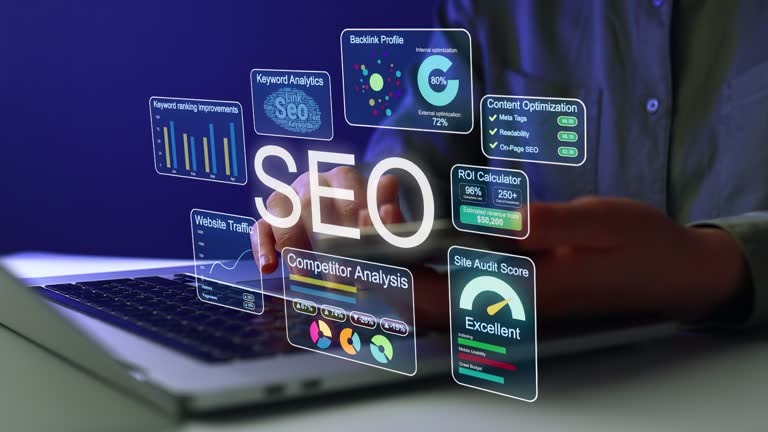

Creating professional SEO content tailored for search intent is essential for achieving higher rankings and engaging the right audience effectively. Search engines prioritize delivering results that best match what users are looking for, making it crucial to understand and address the underlying intent behind each query. Search intent generally falls into several categories: informational, navigational, transactional, and commercial investigation. Recognizing these distinctions allows content creators to craft material that satisfies user expectations while optimizing visibility.
To begin with, identifying the specific intent behind keywords is a foundational step in producing targeted SEO content. Informational queries seek knowledge or answers to questions, so articles designed for this purpose should be clear, comprehensive, and educational. These pieces often include detailed explanations or how-to guides Technical SEO Audits that help users solve problems or learn new concepts without pushing sales aggressively. On the other hand, transactional queries indicate readiness to make a purchase or complete an action; therefore, content aimed at this intent must highlight product features, benefits, pricing details, and calls to action encouraging conversions.
Navigational searches involve users looking for a particular website or brand. Content supporting this type of intent focuses on reinforcing brand identity and ensuring easy access through optimized landing pages or branded terms within titles and meta descriptions. Commercial investigation lies between informational and transactional intents where potential customers compare options before making decisions. Here, content should provide balanced reviews, comparisons, case studies, or testimonials that build trust while subtly guiding toward conversion.
Crafting SEO content aligned with search intent also involves structuring information logically so readers can quickly find relevant answers without unnecessary distraction. Using clear headings that mirror common search phrases helps both users and search engines understand page relevance better. Additionally, maintaining natural language flow enhances readability; keyword placement should feel organic rather than forced to avoid penalties from search algorithms.
Moreover, incorporating multimedia elements such as images or videos can enrich user experience by illustrating complex ideas more vividly than text alone might achieve. This not only supports various learning preferences but also increases time spent on site-a positive ranking factor in many algorithms.
Regularly updating SEO strategies based on analytics insights ensures continuous alignment with evolving user behavior patterns and algorithm changes over time. Monitoring bounce rates alongside conversion metrics provides clues about whether the current approach meets visitors’ expectations effectively.
In summary, professional SEO content tailored specifically to different types of search intent improves both discoverability in search results and engagement levels among target audiences by addressing their unique needs precisely at every stage of the buyer’s journey or information-seeking process.