
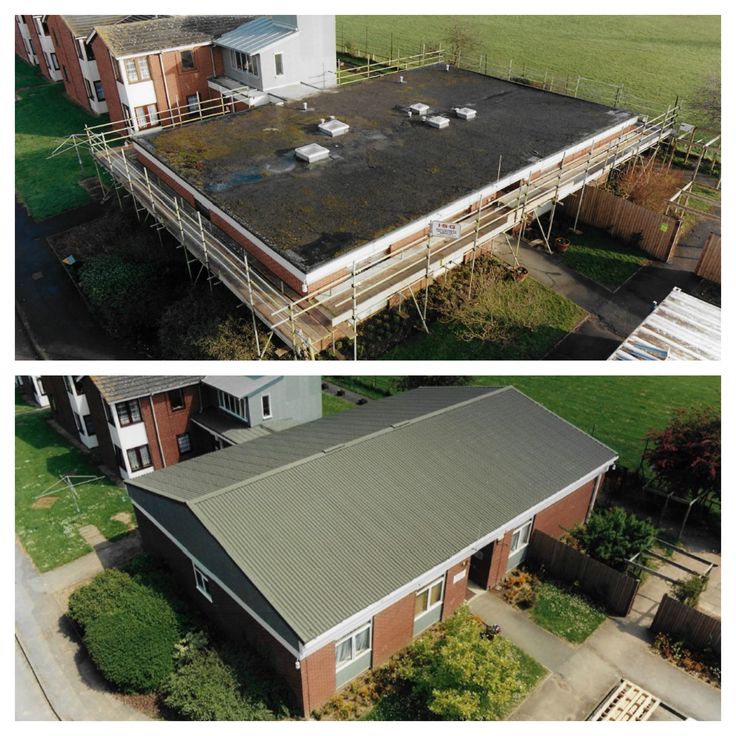

When considering a home extension in the UK, one of the primary decisions homeowners face is choosing between a flat roof and a pitched roof. Both options come with distinct advantages and disadvantages that can significantly impact the overall appearance, cost, functionality, and longevity of the extension.
Flat roofs have become increasingly popular in recent years due to their modern aesthetic and versatility. One of the main benefits of a flat roof extension is that it typically requires less material than a pitched roof, which often results in lower construction costs. Additionally, flat roofs provide more usable internal space because there are no sloping ceilings inside the extension. This can be particularly advantageous for homeowners looking to maximize headroom or create an open-plan living area. Flat roofs also allow for easier installation of features such as skylights or green roofs, which can enhance natural light and promote sustainability.
However, flat roofs do have some drawbacks. Due to their horizontal nature, they tend to accumulate water more easily than pitched roofs unless properly installed with adequate drainage systems. This means regular maintenance is crucial to prevent leaks and water damage over time. Moreover, while advancements in roofing materials have improved durability, historically flat roofs have had shorter lifespans compared to pitched ones.
On the other hand, pitched roof extensions offer traditional charm and are often preferred for properties within conservation areas or those seeking architectural consistency with existing structures. The angled design naturally encourages efficient rainwater runoff, reducing potential issues related to water pooling or dampness inside walls. Pitched roofs generally require less frequent maintenance and can last longer if constructed from quality materials like slate or tile.
One consideration when opting for a pitched roof is that it may increase overall building costs due to additional framework requirements and potentially more complex construction techniques. Furthermore, internal space under a pitched roof may be limited by sloping ceilings unless dormer windows or loft conversions are incorporated into the design.
In terms of energy efficiency, both types of roofs can perform well if insulated correctly; however, modern flat roofing systems often incorporate advanced insulation materials designed specifically for low-pitch applications.
Ultimately, choosing between a flat roof vs pitched roof extension depends on various factors including budget constraints, desired aesthetic outcome, planning permission regulations specific to local councils across the UK’s regions, as well as long-term maintenance preferences. Homeowners should carefully weigh these considerations alongside professional advice from architects or builders familiar with local climate conditions before making their final decision on extending their property’s footprint effectively while maintaining structural integrity and visual appeal.