
A home plumbing inspection is an essential step for homeowners, whether they are purchasing a new property or maintaining their current one. During this process, a professional plumber evaluates the entire plumbing system to identify any existing issues and potential problems that could arise in the future. The inspection typically covers all visible pipes, fixtures, water heaters, drains, and sometimes even underground lines if accessible. Understanding what to expect during this examination can help homeowners prepare and make informed decisions about repairs or upgrades.
When the plumber arrives, they usually begin by assessing the main water supply line entering the house. This includes checking for leaks, corrosion, or signs of wear that might affect water pressure or quality. The condition of shut-off valves is also examined to ensure they function properly in case of emergencies. Next, attention shifts to interior piping systems connected to sinks, toilets, showers, and appliances like dishwashers and washing machines. Inspectors look for leaks under sinks and around fixtures as well as signs of water damage such as stains or mold growth on walls and floors.
Drainage systems receive careful scrutiny because clogged or damaged drains can lead to costly repairs if left unattended. The inspector may use specialized check details tools like cameras inserted into pipes to detect blockages or cracks not visible from outside surfaces. Ventilation pipes are also checked since proper venting prevents sewer gases from entering living spaces while ensuring smooth drainage flow.
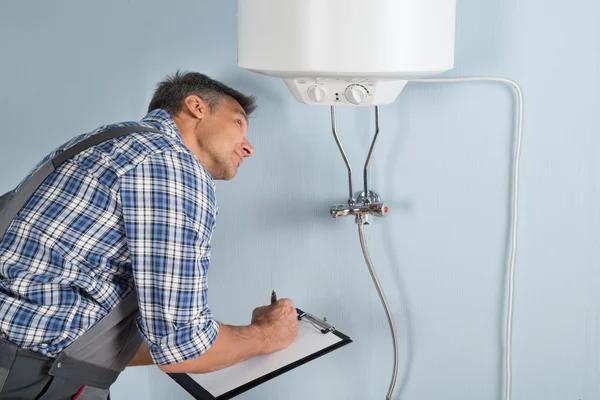
Water heaters undergo evaluation focusing on age, efficiency ratings, sediment buildup inside tanks, and safety mechanisms including pressure relief valves. A malfunctioning heater can cause inconsistent hot water supply or pose safety risks such as leaks leading to flooding.
In some cases where older homes have outdated materials like galvanized steel pipes prone to rusting or lead piping posing health hazards; inspectors will highlight these concerns recommending replacement with modern alternatives such as copper or PEX tubing.
After completing the physical examination phase which generally takes about one to two hours depending on home size and complexity; plumbers provide a detailed report outlining findings along with suggested repairs prioritized by urgency level. Homeowners receive explanations regarding necessary fixes versus optional improvements aimed at enhancing system longevity.
Preparing for a plumbing inspection involves clearing access areas so professionals can reach critical components easily without obstruction from furniture or stored items. Being present during the inspection allows owners to ask questions directly related to their specific system’s condition helping them understand maintenance needs better moving forward.
Overall, a thorough home plumbing inspection offers peace of mind by uncovering hidden issues early before they escalate into expensive emergencies while providing guidance toward maintaining safe reliable water infrastructure within the household environment over time.