
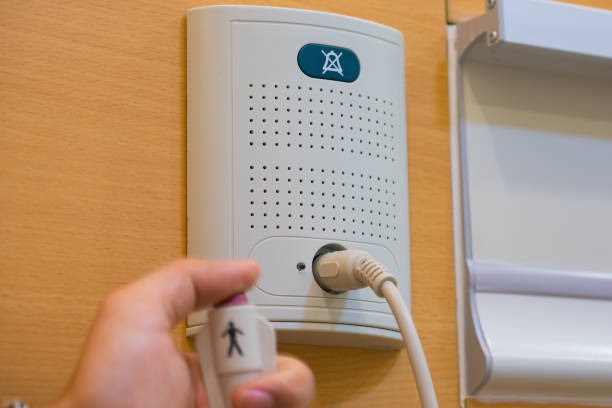

Selecting the appropriate nurse call system for hospitals is a critical decision that directly impacts patient care, staff efficiency, and overall hospital operations. A well-chosen nurse call system ensures timely communication between patients and healthcare providers, leading to improved response times and enhanced patient satisfaction. With numerous options available in the market, hospitals must carefully evaluate their specific needs and priorities to choose the right solution.
The first factor to consider when choosing a nurse call system is the hospital’s size and layout. Larger facilities with multiple floors and departments require robust systems capable of integrating seamlessly across various units. Wireless nurse call systems offer flexibility and ease of installation, especially in buildings where rewiring is impractical or costly. On the other hand, wired systems may provide greater reliability in environments where stable communication is paramount. Understanding the hospital’s structural characteristics can help narrow down the choice between wired and wireless options.
Another essential aspect is the system’s features and functionality. Modern nurse call systems go beyond basic alerting functions and often include additional capabilities such as real-time location tracking, staff assignment, and integration with other hospital technologies like Electronic Health Records (EHR) and alarm management platforms. These advanced features enhance workflow efficiency by allowing staff to prioritize calls based on urgency and location. Hospitals should assess which features align with their clinical workflows and patient care protocols to maximize the system’s benefit.
Reliability and ease of use are also crucial considerations. The nurse call system must be dependable under all circumstances, including power outages or network failures. Systems with backup power supplies and fail-safe mechanisms ensure uninterrupted communication, which is vital in emergency situations. Additionally, the system should be user-friendly for both patients and staff. Intuitive interfaces and clear alerts reduce the learning curve and minimize the risk of missed calls or communication errors.
Cost is often a deciding factor but should not overshadow quality and functionality. Hospitals should evaluate the total cost of ownership, including installation, maintenance, upgrades, and training expenses. Investing in a scalable and flexible system can save costs in the long term by accommodating future expansion and technological advancements without requiring complete replacement.
Finally, compliance with healthcare regulations and standards is a necessity. The chosen nurse call system must meet local safety and privacy requirements to protect patient information and maintain accreditation. Partnering with reputable vendors who provide ongoing support and updates ensures the system remains compliant and effective over time.
In conclusion, choosing the right nurse call system requires a comprehensive evaluation of hospital size, system features, reliability, cost, and regulatory compliance. By selecting a system tailored to their specific needs, hospitals can enhance communication, improve patient outcomes, and streamline operational efficiency.