
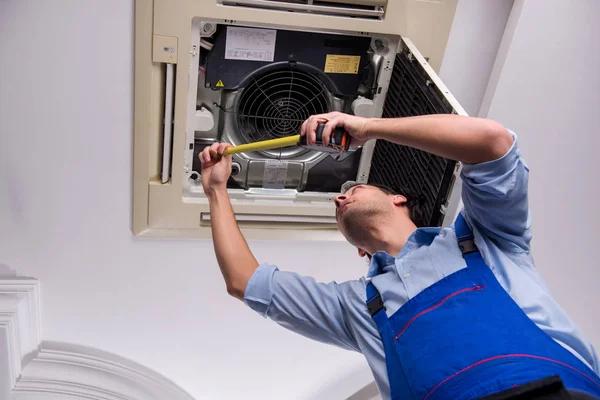

When faced with a malfunctioning HVAC system, homeowners often find themselves at a crossroads: should they repair the existing unit or replace it entirely? While replacement might seem like the definitive solution to all problems, many HVAC contractors often recommend repair over replacement for several compelling reasons. Understanding these reasons can help homeowners make informed decisions that balance cost, efficiency, and long-term benefits.
One of the primary reasons an HVAC contractor might suggest repairing rather than replacing is the age of the system. If an HVAC unit is relatively new—typically less than 10 years old—it likely has many years of service left. In such cases, repairing specific components can restore functionality without incurring the high costs associated with purchasing and installing a new system. Moreover, newer systems are generally more energy-efficient and may only require minor tweaks or repairs to maintain optimal performance.
Another factor influencing this recommendation is cost-effectiveness. Repairs are usually less expensive upfront compared to replacements. When a single component fails but the rest of the system remains in good condition, targeted repairs can be a more economical choice. This approach allows homeowners to address immediate issues without committing to significant financial expenditure that comes with replacing an entire system.
Contractors explore website also consider technological advancements when advising on repairs versus replacements. If there have been no major breakthroughs in HVAC technology since your current model was installed, repairing it could be just as beneficial as replacing it with a newer model offering similar features and efficiency levels. This consideration helps avoid unnecessary upgrades that do not provide substantial improvements over existing capabilities.
Environmental impact plays a role too; opting for repair instead of replacement reduces waste by extending the lifespan of existing equipment and minimizing landfill contributions from discarded units. Sustainability-minded homeowners often prefer this option as part of their commitment to reducing their carbon footprint.
Moreover, some issues may arise from improper installation or maintenance rather than inherent defects within the unit itself. In such scenarios, correcting these errors through professional servicing can resolve problems effectively without necessitating full-scale replacement.
Lastly, warranties and insurance coverage often favor repairs over replacements during certain periods after purchase or installation. Contractors take advantage of these provisions whenever possible to minimize out-of-pocket expenses for clients while ensuring reliable operation post-repair.
In conclusion, while each situation must be evaluated individually based on specific circumstances like severity of damage and future needs assessment by knowledgeable professionals ensures balanced decision-making regarding whether repair or replacement offers better value proposition tailored specifically towards homeowner’s unique requirements thereby enhancing comfort reliability longevity overall satisfaction derived from their investment into home climate control solutions.