
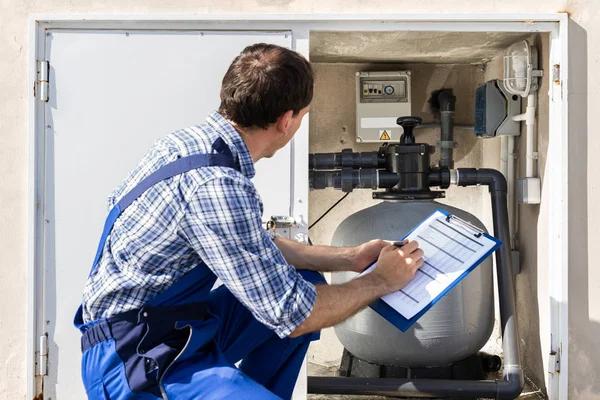

A pressure tank plays a pivotal role in water systems, serving as an essential component that ensures the efficient and consistent delivery of water. At its core, a pressure tank is designed to maintain a steady level of water pressure within a plumbing system, thereby preventing pumps from cycling on and off too frequently. This not only extends the lifespan of the pump but also enhances the overall efficiency and reliability of the water supply system.
The primary function of a pressure tank is to store pressurized water for immediate use. When water is pumped into the tank, it compresses the air within, creating pressure. This stored energy allows for instantaneous access to water without needing to activate the pump continuously each time there is demand. As faucets or appliances draw on this reserve, they deplete some of this stored energy until more is required from the pump.
One key benefit of having a pressure tank in place is its ability to prevent rapid cycling—a situation where pumps turn on and off repeatedly over short periods. Rapid cycling can lead to premature wear and tear on pump components due to increased mechanical stress. By providing an intermediary reservoir between demand points and supply website sources, pressure tanks reduce strain on pumping mechanisms by minimizing unnecessary activations.
Moreover, maintaining consistent water pressure throughout household fixtures becomes achievable with properly sized tanks installed correctly within systems’ infrastructures—ensuring uniform distribution across all outlets regardless if multiple taps are open simultaneously or not during peak usage times such as morning showers followed immediately after breakfast preparations commence downstairs kitchen areas alike!
In addition to protecting pumps from excessive wear-and-tear through reduced cycle frequencies (thereby extending their operational lifespans), these devices contribute significantly towards conserving energy consumption levels overall because they enable smoother transitions between active states versus idle ones when managing fluctuating demands placed upon them daily basis depending upon user habits/requirements specific settings involved therein accordingly too perhaps even lowering utility bills indirectly via improved efficiencies realized long-term wise speaking here now today henceforth always remember folks out there reading along attentively indeed yes indeed so much more than meets eye initially might appear first glance upon cursory examination alone suffice say least bit understatement case point being made abundantly clear hopefully conveyed successfully thus far already already already already!