
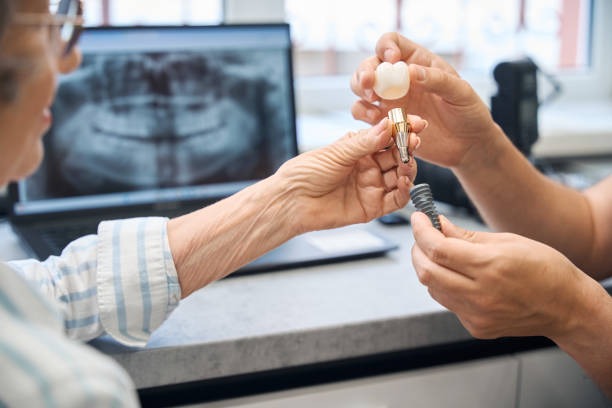

Caring for your mouth after a tooth extraction or implant is crucial to ensure proper healing and prevent complications. Whether you have undergone a simple extraction or received an implant, following specific guidelines can make the recovery process smoother and more comfortable.
Immediately after the procedure, it’s essential to keep pressure on the gauze pad placed over the surgical area by biting down gently. This helps control bleeding and allows a clot to form in the empty socket, which is vital for healing. Change the gauze as instructed by your dentist or oral surgeon, typically every 30-45 minutes until bleeding subsides.
Avoid rinsing your mouth vigorously, spitting forcefully, or using straws for at least 24 hours post-surgery. These actions can dislodge the blood clot and lead to a painful condition known as dry socket. Instead, maintain oral hygiene by gently brushing your teeth while avoiding the surgical site. After 24 hours, you may begin rinsing with a warm saltwater solution—about half a teaspoon of salt in eight ounces of water—to help reduce swelling and keep the area clean.
Pain management is another critical aspect of post-operative care. Over-the-counter pain relievers such as ibuprofen or acetaminophen are usually effective in managing discomfort; however, follow your read more dentist’s recommendations if stronger medication is prescribed. Applying an ice pack intermittently during the first 48 hours can also help minimize swelling and numb any lingering pain.
Diet plays an important role in recovery. Stick to soft foods such as yogurt, applesauce, mashed potatoes, scrambled eggs, and smoothies during the initial days following surgery. Avoid hot beverages and hard or crunchy foods that could irritate or injure the surgical site. As healing progresses over several days to weeks—depending on whether it was an extraction or implant—you can gradually reintroduce firmer foods into your diet.
Smoking should be avoided entirely during this period since tobacco products significantly impede healing by reducing blood flow to gum tissues and increasing infection risk.
Regular follow-up appointments with your dental professional are necessary for monitoring progress post-extraction or implantation. These visits allow them to assess how well you’re healing and address any concerns promptly.
In summary, taking diligent care of your mouth following tooth extraction or implantation involves maintaining gentle oral hygiene practices without disturbing clots formed at surgical sites; managing pain with appropriate medications; consuming suitable diets that promote comfort without causing irritation; abstaining from smoking; staying alert about potential complications like dry sockets through careful observation—and keeping all scheduled dental check-ups ensures optimal recovery outcomes tailored specifically towards individual needs based upon procedural intricacies involved therein!


